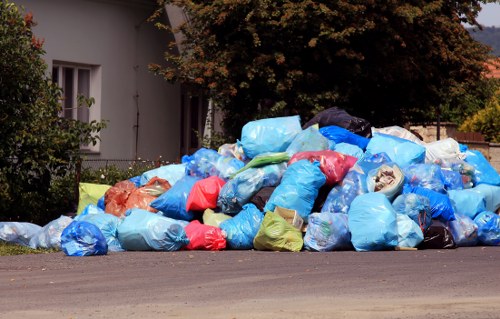
Complaints Procedure for Flat Clearance Chislehurst
This complaints procedure sets out how customers can expect concerns to be handled when using a flat clearance or rubbish removal service in the Chislehurst area. The aim is to provide a clear, fair and transparent process so that any complaint relating to flat clearance Chislehurst activities is managed promptly and professionally. Our commitment is to acknowledge issues, investigate thoroughly, and deliver appropriate remedies where necessary. This document applies to all aspects of household and commercial flat clearance and associated waste removal services delivered within our service area, without divulging operational contact details or legal advice.Scope and Definitions
For the purpose of clarity, ‘complaint’ includes any written or verbal expression of dissatisfaction about the standard, performance or behaviour associated with a Chislehurst flat clearance job. Complaints may relate to scheduling, perceived damage, disposal practices, pricing discrepancies or professional conduct. This complaints policy is intended to cover all forms of rubbish removal Chislehurst work where a client feels expectations have not been met. It does not replace statutory dispute routes but aims to resolve the majority of concerns internally and without escalation. The underlying principles are fairness, transparency, confidentiality and timeliness. Every complaint will be treated with impartiality. Complainants will not be penalised for raising concerns and matters will be handled in a manner that respects privacy and recordkeeping obligations. Where there are safety or environmental implications identified during a clearance, immediate steps will be taken to mitigate harm and these will form part of the complaint review.
Raising a Concern
Clients may express dissatisfaction about a Chislehurst flat clearance service through a range of channels; however, this procedure focuses on how the business records and acts on those concerns rather than outlining specific contact routes. When a concern is raised, the person receiving it will log it, seek clarifying information where appropriate, and ensure the complainant understands the next stages. Respectful and factual communication helps ensure a clear investigation and a timely outcome. Upon receipt, complaints are acknowledged within a short, predefined period to confirm that the matter has been logged. An initial assessment will determine the complexity and whether immediate remedial action is required—such as returning to site to rectify an issue or temporarily suspending a disputed activity. For common issues that arise in flat clearance or rubbish removal Chislehurst contexts, the expectation is that an initial response will set out likely timelines and the person leading the review.
Investigation processes may involve reviewing job notes, photographic evidence, vehicle and waste paperwork, and staff statements. Outcomes from investigations will be communicated in writing and will identify any corrective actions. Possible outcomes include a formal apology, re-performance of specific services, partial refunds, or agreed non-monetary remedies where appropriate. The list below outlines typical remedial options taken in clearance disputes:
- Apology and explanation – acknowledging service shortfalls.
- Corrective work – returning to address issues identified during the clearance.
- Financial adjustment – partial refunds or credit where service levels were not met.
- Process improvement commitments – changes to prevent recurrence.
 If the complainant is not satisfied with the proposed outcome, the complaint may be escalated internally to a senior review stage. That escalation entails a fresh, independent assessment by a manager not previously involved in the handling of the complaint. Escalation is intended to provide an additional level of scrutiny and to offer a final, reasoned determination by the organisation. Where appropriate and available, an independent third-party review or alternative dispute resolution may be suggested as a way to close a matter without resorting to formal legal processes.
 Record keeping and confidentiality are central to the complaints handling approach. Records will include the complaint details, investigation notes, evidence reviewed, decisions made, and any remedial outcomes. These records are retained in accordance with internal retention policies and relevant data protection principles. Complainant privacy is respected throughout, and information is shared only on a need-to-know basis within the team managing the review.
The organisation also maintains an ongoing review mechanism to monitor complaint trends tied to flat clearance and rubbish removal operations. Regular analysis helps identify systemic issues such as recurring scheduling problems, disposal route failures, or service quality gaps. Findings from complaint reviews inform training, operational adjustments and supplier arrangements to reduce the likelihood of repeat issues.
Continuous improvement is emphasised: complaints are not merely closed but used as learning opportunities. Senior management periodically audits complaint handling performance to ensure adherence to this procedure and to assess the effectiveness of remedies implemented in response to Chislehurst flat clearance concerns.
Final notes: This complaints procedure is designed to be fair to both clients and those providing flat clearance services within the rubbish company service area. It aims to ensure that when problems occur they are resolved transparently, outcomes are proportionate, and lessons are learned to improve future service delivery. Maintaining trust and professional standards in every clearance operation remains the priority.