Same day rubbish clearance Chislehurst businesses and shops
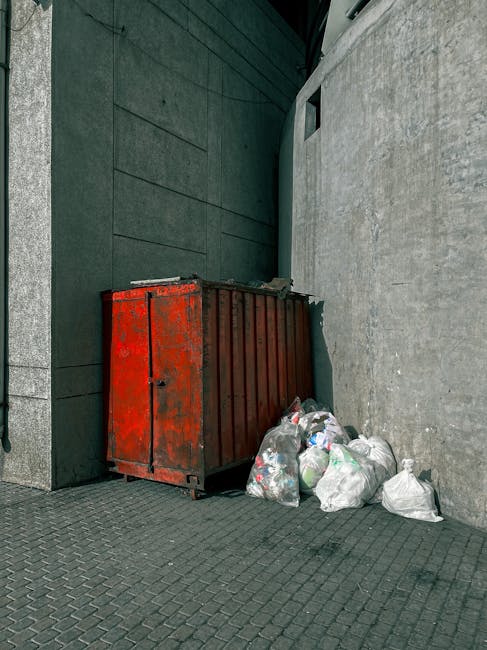
If you run a shop, cafe, salon, office, or small commercial unit in Chislehurst, rubbish has a habit of arriving at the worst possible moment. A delivery arrives early, packaging piles up, a display needs replacing, or the back room starts feeling more like a storage unit than a workspace. That is exactly where same day rubbish clearance Chislehurst businesses and shops becomes useful: quick, organised removal that helps you stay open, tidy, and on the right side of customer expectations. In practice, it is less about "getting rid of stuff" and more about restoring space, safety, and momentum without losing a whole trading day.
Below, you will find a practical guide to how it works, who needs it, what to check before you book, and the mistakes that tend to cause avoidable delays. There is a lot to think about, to be fair, but once you know the process it becomes much simpler than people expect.
Why Same day rubbish clearance Chislehurst businesses and shops Matters
For a business, rubbish is not just untidy. It can block fire exits, slow staff down, create a poor first impression, and make stock handling awkward. A shop floor with broken shelving waiting by the till, or cardboard creeping into customer areas, can make a place feel messy even when the team is working hard behind the scenes. And in a small premises, every square metre matters.
Same day clearance is particularly valuable when timing is tight. Maybe you are refreshing a window display before a weekend rush. Maybe a supplier has dumped more packaging than expected. Maybe a sudden refit has left furniture, mixed waste, and old fittings in a pile that cannot sit there until next week. In those moments, speed is not a luxury. It is operational common sense.
There is also a reputation angle. Customers notice order, even if they do not consciously think about it. A tidy entrance, clear back-of-house area, and uncluttered stockroom can quietly support sales, staff morale, and safety all at once. That is a decent return for one clear-out.
Practical takeaway: same day rubbish clearance is most valuable when waste is actively getting in the way of trading, not just when it looks annoying. The urgency often comes from space, safety, or customer experience.
How Same day rubbish clearance Chislehurst businesses and shops Works
The process is usually straightforward, though the details matter. A business contacts a clearance provider, explains what needs removing, and shares as much information as possible about the load. Good providers will want to know the type of waste, approximate volume, access conditions, and whether anything needs special handling. That early clarity helps prevent wasted journeys and last-minute problems.
On the day, the team should arrive with the right labour, vehicle space, and equipment for the job. For shop and business clearances, that often means dealing with cardboard, broken fixtures, shop fittings, office furniture, shelving, mixed bulky waste, and sometimes items that need segregating for reuse or disposal. If access is tight or the premises are in a busy parade, timings and loading plans matter. A little planning here saves a lot of faff later.
If your clearance includes office-type waste or confidential material, it may be worth separating items in advance. For example, archived paperwork should be handled differently from ordinary rubbish, and items like printers, fridges, or electrical appliances may need specific disposal routes. When in doubt, ask before collection rather than hoping for the best.
For many businesses, a same day service links naturally with broader business waste removal and occasionally with office clearance if the job includes desks, chairs, filing cabinets, or a reconfigured back office. If you are clearing out mixed stockroom debris after a delivery or refurbishment, waste removal is often the broader service category that ties everything together.
Key Benefits and Practical Advantages
The best reason to choose same day removal is obvious: it frees space quickly. But the real value runs deeper than that. A good clearance service helps a business move from disruption to normal trading without dragging the mess into tomorrow.
- Fast reopening of usable space: stockrooms, entrances, and loading areas can be put back into action quickly.
- Better presentation: customers are less likely to see clutter, old display units, or unwanted packaging.
- Reduced trip and fire risks: less loose waste means fewer hazards in busy areas.
- Less staff time lost: your team can focus on serving customers rather than making repeated tip runs.
- Flexible for sudden changes: useful after equipment replacement, seasonal reset, or end-of-line clearance.
- Improved compliance habits: separating items properly is easier when the clearance is organised, not rushed at the last minute.
Another practical advantage is discretion. Small businesses often prefer a clearance that happens quickly and without creating a scene. Let's face it, nobody wants a pile of old shop fittings outside the front door for half the day while customers walk past. Same day collection helps reduce that awkward window.
When a clearance includes bulky furniture or worn-out retail fixtures, it can also help you decide what should be disposed of versus what might be reused elsewhere. That is where services like furniture clearance and furniture disposal become relevant. If there are broken beds, sofas, waiting-area seats, or display pieces, mattress and sofa disposal may also be part of the picture.
Who This Is For and When It Makes Sense
This service is not only for large retailers or businesses in the middle of a major refurbishment. In fact, it is often most useful for smaller premises where one awkward pile of waste can seriously disrupt operations.
Typical users include:
- Independent shops with limited storage space
- Convenience stores and off-licences
- Cafes, bakeries, and takeaway premises
- Hair and beauty salons
- Small offices and shared workspaces
- Estate agents and customer-facing service businesses
- Pop-up shops or short-term trading units
- Businesses preparing for an inspection, opening, or handover
It also makes sense in time-sensitive situations such as end-of-lease clean-outs, stock changes, emergency clearances after damage, or the removal of unwanted items after a delivery or refit. If you have ever stood in a back room at 8:15 in the morning and thought, "Right, this cannot stay here," then you already understand the need.
For some businesses, same day clearance overlaps with specialist services. For example, a shop replacing old display counters might need builders waste clearance if packaging, broken fixings, plaster, or refurbishment debris is involved. A cafe upgrading appliances may need fridge and appliance removal for bulky equipment that cannot simply be left with the general rubbish.
And if your business stores old documents or sensitive records, you may need confidential shredding so paperwork is handled properly rather than mixed into ordinary waste. Small detail, big difference.
Step-by-Step Guidance
If you want the clearance to run smoothly, a little structure helps. The best jobs are usually the ones where the business spends ten minutes preparing before the team arrives. Sounds boring. Saves time. That's the trade.
- Identify the exact items to remove. Separate what must go, what may be reused, and what needs special handling.
- Group items by type. Put cardboard together, furniture together, electrical items together, and any hazardous items aside.
- Check access. Measure narrow doors, stairwells, lifts, parking space, and loading restrictions if relevant.
- Flag anything sensitive. Paper records, devices, or confidential material should be identified early.
- Ask about timing. Same day services work best when the business can offer a realistic collection window.
- Confirm the waste categories. Mixed waste, bulky items, appliances, or construction debris may require different handling.
- Prepare the collection area. Clear a route so the team can move safely and quickly without weaving through customers or staff.
- Review the load before removal. A quick final check can catch items that were missed or should not be taken.
If you are not sure whether an item is suitable for general removal, it is better to ask than assume. That is especially true for appliances, damaged batteries, chemicals, and sharp materials. Some items need more careful treatment, and asking early prevents awkward surprises.
When the work involves large quantities or recurring collections, you may also want to look at pricing and quotes so you can compare one-off clearances with ongoing arrangements. For recurring waste, that little bit of forecasting helps.
Expert Tips for Better Results
After plenty of clearances, one thing becomes obvious: the jobs that go best are rarely the ones with the fanciest equipment. They are the ones where the customer has thought through the practical bits. A few small decisions make a noticeable difference.
- Photograph the waste before booking. This helps explain volume, access, and item type more clearly than a rushed description.
- Separate recyclable materials where possible. Cardboard, wood, metal, and cardboard-heavy loads may be easier to process when kept distinct.
- Keep customer-facing areas clear. Move waste to the back room or loading point if you can do so safely.
- Label anything that must stay. In mixed shop clearances, it is surprisingly easy for a useful item to get swept up with the rubbish.
- Plan around trading hours. Early morning often works well, especially before the shop gets busy.
- Ask about insurance and safety. Good providers should be able to explain how they manage lifting, access, and damage prevention.
A small but useful habit: keep a "clearance corner" in the business if space allows. Even a few square feet where unwanted items can be parked safely can make collection day far calmer. Not glamorous, but effective.
You may also want to review insurance and safety before booking, especially if the waste will be lifted through customer areas, narrow corridors, or upper floors. It is the sort of thing nobody thinks about until a hand trolley catches a door frame.
Common Mistakes to Avoid
The most common mistake is underestimating the amount of waste. A few loose items in a stockroom can turn into three times more once everything is pulled out. Boxes hide things. Always have a bit of buffer in mind.
Another issue is mixing normal rubbish with restricted items. For example, putting batteries, liquids, chemicals, or damaged electrical items into one pile may slow the job down. In the worst cases, it can make the collection unsuitable. That is why it helps to sort early rather than waiting for the van to arrive.
Other mistakes happen because the business is trying to save time:
- Not checking access or parking before the collection
- Leaving the items in a customer walkway
- Forgetting about confidential documents
- Assuming all appliances can be taken as ordinary rubbish
- Booking too late and expecting a complicated clearance in a tiny time window
- Not reading the provider's terms, especially around restricted waste and missed access
A final one, and this happens more than people admit: keeping "maybe useful" items for too long. If something has been sitting in the back room for months, it probably is not becoming more valuable with age. Harsh, but true.
Tools, Resources and Recommendations
You do not need a warehouse full of gear to prepare well. A few simple tools are enough to make a same day clearance much easier.
Useful items for preparation:
- Marker pens and labels
- Heavy-duty bin bags
- Tape or cable ties for bundling
- A basic tape measure for access checks
- Cleaning cloths or broom for the cleared area
- Boxes for sorting documents, small items, and reusable stock
For businesses that regularly clear mixed waste, it is worth creating a simple internal routine. One person can identify waste categories, another can check what must stay, and a third can clear a path for the removal team. It sounds a bit formal for a small shop, but even a loose version of that system keeps things moving.
If you are trying to work out how much can go in one load or whether an item is suitable for removal, the page on what can go in a skip can be a helpful reference point for general waste sorting ideas, even if you are not actually booking a skip. For sustainability-minded businesses, recycling and sustainability is also worth a look because it highlights the value of diverting reusable material where possible.
And if you are dealing with fridges, display coolers, or kitchen appliances, the more specific fridge and appliance removal page is a useful fit. It keeps the process focused instead of treating every bulky item the same way. Because, honestly, they are not all the same.
Law, Compliance, Standards and Best Practice
For businesses, rubbish clearance is not just about convenience. It can touch health and safety, duty of care, confidentiality, and workplace housekeeping. You do not need to become a compliance expert overnight, but you do need to avoid careless handling.
In the UK, businesses are generally expected to manage waste responsibly, keep premises safe, and use appropriate disposal routes for different waste types. That includes making sensible decisions about recyclables, electrical items, confidential paperwork, and anything potentially hazardous. If you are unsure about a particular item, ask the provider before collection rather than hoping it will be accepted.
Best practice usually means:
- Keeping waste away from fire exits and walkways
- Separating hazardous or sensitive items from general waste
- Using suitable handling methods for heavy or awkward items
- Checking that the provider is insured and works safely
- Making sure disposal is documented clearly for your own records where needed
- Reading terms and conditions so both sides know what is included
For businesses with special items, separate disposal routes may be needed. Hazardous materials should never be guessed at or casually mixed into ordinary waste. If a load includes anything uncertain, the safer route is usually to slow down, identify it properly, and choose the right service. That is where hazardous waste disposal becomes relevant.
It is also sensible to understand the provider's safety approach. A clear statement on lifting, transport, and staff protection is a good sign. You can review health and safety policy to get a feel for how a responsible service frames its work. Not every clear-out needs a formal audit, obviously, but a business should never feel casual about safety.
Options, Methods and Comparison Table
When rubbish builds up, businesses usually have three main choices: wait for scheduled collection, take it themselves, or book a same day clearance. The right option depends on urgency, waste type, and how much disruption you can tolerate.
| Option | Best for | Pros | Limitations |
|---|---|---|---|
| Scheduled waste collection | Routine, predictable waste | Easy to plan, suitable for ongoing needs | Not ideal for urgent clear-outs |
| Self-removal | Very small loads | Can seem cheaper at first | Takes staff time, vehicle space, and disposal knowledge |
| Same day rubbish clearance | Urgent or disruptive waste | Fast, convenient, reduces downtime | May cost more than non-urgent options |
For many shops and small businesses, same day clearance is the middle ground between chaos and delay. It is not always the cheapest route, but it is often the most efficient when time, customers, and limited space are all in play. And that matters.
If the job is mainly furniture-heavy, compare the value of furniture clearance with a broader mixed-waste approach. If the issue is a back office or storage room, office clearance might be the cleaner fit. Choosing the right type of service saves a lot of back-and-forth.
Case Study or Real-World Example
Picture a small Chislehurst shop on a Thursday afternoon. New stock has arrived, the old shelving has already been replaced, and the back room is a jumble of flattened boxes, broken display parts, and two awkward chairs that have seen better days. The manager wants the shop clear before Friday's footfall picks up. There is no room to leave the mess overnight, and staff still need access to the till supplies and delivery point.
In a situation like that, the smartest move is not to start a half-hearted tidy and hope for the best. It is to sort the waste into clear piles, identify anything sensitive or restricted, check access for the collection team, and arrange same day removal. Once the waste is taken away, the room becomes usable again. Staff can breathe a bit easier. Customers do not see the clutter. The place feels like a business again.
The little win is often the biggest one: the team can get on with trading rather than spending the next morning shifting cardboard at 7:30 in the cold. That sort of relief is hard to put a price on, but anyone who has run a shop will recognise it instantly.
Practical Checklist
Use this quick checklist before booking same day clearance for your business or shop.
- List every item that needs removing
- Separate general waste, furniture, electricals, and confidential material
- Check door widths, stairs, loading access, and parking
- Confirm the collection window with the provider
- Move customer-facing stock and valuables out of the way
- Make sure fire exits remain clear
- Ask about special items such as fridges, appliances, or hazardous waste
- Keep paperwork or digital notes of what was removed
- Review pricing and quote details before the job starts
- Plan what needs to happen after the clearance so the space is used well straight away
If you are dealing with a mixed premises, such as a shop with a small office at the back, it can help to combine several service types in one visit. A practical provider can often coordinate business waste removal with a targeted specialist collection, rather than forcing you to split the job into separate days.
Conclusion
Same day rubbish clearance for Chislehurst businesses and shops is really about keeping the day under control. It gives you space, reduces stress, protects presentation, and helps staff work without constantly stepping around unwanted clutter. The best results come from a bit of preparation, clear communication, and choosing the right type of removal for the waste in front of you.
Whether you are clearing a stockroom, refreshing a retail floor, removing old furniture, or dealing with the aftermath of a busy refit, a same day solution can stop a small problem becoming a long one. And truth be told, that is often the difference between a hectic day and a manageable one.
If you need a fast, tidy, and practical way to deal with commercial waste in a live trading environment, start with a clear list of items, think through access, and check which service fits best. Then take it one step at a time. It's usually simpler than it feels in the moment.
Get a free quote today and see how much you can save.
Frequently Asked Questions
What counts as same day rubbish clearance for businesses and shops?
It usually means waste removal arranged and completed on the same day you request it, subject to availability, access, and the type of waste. It is commonly used when clutter is affecting trading, safety, or customer presentation.
Is same day clearance suitable for a small shop with limited space?
Yes. In fact, small shops often benefit the most because even a modest pile of packaging, old displays, or broken fittings can cause real disruption. Tight access just means the booking details need to be clear.
Can bulky office furniture be removed on the same day?
Often, yes. Desks, chairs, shelving, and filing cabinets are common in urgent clearances. If the job is mostly workplace items, office clearance may be the most relevant route.
Do I need to sort the waste before collection?
It helps a lot. Separating cardboard, furniture, appliances, and confidential material makes the job quicker and reduces the chance of something being missed. You do not need perfection, just a sensible sort.
What if I have confidential documents mixed in with rubbish?
Those should be separated and handled appropriately. If paperwork needs secure destruction, confidential shredding is the safer option than placing it in general waste.
Can fridges and appliances be taken away the same day?
Often they can, but appliances may need specific handling. If the load includes coolers, fridges, or similar items, fridge and appliance removal is the better fit.
Will same day rubbish clearance be more expensive than a scheduled collection?
Usually it can be, because you are paying for speed and flexibility. That said, the cost may still make sense if the alternative is lost trading time, blocked access, or a messy customer area.
Can hazardous waste be included in a normal clearance?
Not always. Hazardous items need careful checking and may require a separate process. If there is any doubt, ask in advance and do not mix them into ordinary rubbish. Hazardous waste disposal exists for exactly that reason.
How should a business prepare for the collection team?
Make access clear, separate waste types, protect customer areas, and confirm the items to be removed. A good ten-minute prep often makes the whole visit smoother.
Is this service useful after a shop refit or renovation?
Absolutely. It is one of the most common reasons businesses book urgent clearance. If there is rubble, timber, packaging, or site debris, builders waste clearance may be more suitable.
What happens if my premises have awkward access or parking restrictions?
That does not automatically rule out same day clearance, but it needs to be explained clearly. Stairs, narrow corridors, loading bays, and timed parking all affect how the job is planned.
How do I decide between clearance and ongoing business waste removal?
If the waste is a one-off build-up or urgent disruption, same day clearance is usually best. If you generate regular waste each week, business waste removal may be the smarter long-term choice.
What should I ask before booking a same day collection?
Ask what is included, which waste types are accepted, whether there are extra charges for access or special items, and how the team handles safety and disposal. A few direct questions now can prevent a headache later.
Can same day clearance help with shop presentation before a busy weekend?
Yes, and that is one of its strongest uses. Clearing old stock, packaging, and broken fixtures before a peak trading period helps the shop look calmer and feel more organised for customers.