Avoid hidden fees when booking rubbish removal in Chislehurst
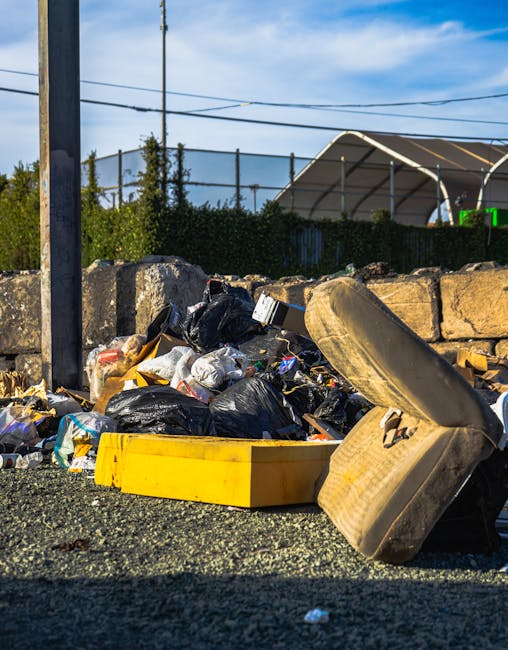
If you are trying to clear a loft, empty a garage, or finally get rid of that awkward pile of mixed junk, the last thing you want is a bill that suddenly grows legs. Hidden fees can turn a simple rubbish removal job into a frustrating, expensive mess. This guide shows you how to avoid hidden fees when booking rubbish removal in Chislehurst, what to ask before you confirm, and how to spot a quote that is genuinely fair rather than just cheap-looking at first glance.
Truth be told, most surprises in waste clearance are avoidable. A few clear questions, a proper photo, and a written quote can save you a lot of bother. Let's walk through it properly.
Why Avoid hidden fees when booking rubbish removal in Chislehurst Matters
Hidden fees are not just annoying; they change the whole decision. A quote that looks manageable in the morning can become a stressful "hang on, what's this charge for?" moment by afternoon. In rubbish removal, extra costs often appear because the job was quoted without enough detail, or because the customer didn't realise certain items, access issues, or loading conditions would affect the price.
In Chislehurst, where homes range from compact flats to larger family houses, the job can look simple from the outside and be more complicated once the team arrives. Narrow drives, basement access, top-floor flats, and mixed household waste all have a way of nudging the cost up if they were not discussed properly beforehand. That is exactly why clarity matters.
There is also a trust issue. A transparent rubbish removal company should be willing to explain what is included, what is not, and what could change the price. If they are vague before you book, they may well be vague after the job too. Not ideal, obviously.
If you are comparing services, pages like pricing and quotes and insurance and safety can help you understand what a reliable provider should be able to explain up front.
How Avoid hidden fees when booking rubbish removal in Chislehurst Works
At its best, rubbish removal pricing is straightforward. You explain what needs to go, the company estimates the labour, volume, and disposal requirements, and you receive a price that reflects the actual job. The cleaner the information you provide, the less room there is for surprises later.
The process usually works like this:
- You describe the waste as clearly as possible, ideally with photos.
- The company assesses the likely volume, weight, and type of waste.
- They check access, parking, stairs, and time needed.
- You receive a quote or estimate with conditions stated plainly.
- The team arrives, confirms the load, and carries out the removal.
- If anything changes, it should be explained before extra costs are added.
The trouble starts when one of those steps gets skipped. For example, "a few bits from the garage" can mean anything from a couple of broken chairs to a full van load of mixed waste, old paint tins, timber offcuts, and a fridge. That is a very different job, and yes, it should be priced differently.
For bigger clearances, it often helps to compare services by job type as well. A household tidy-up may be better suited to home clearance or house clearance, while office, loft, or builders' waste each bring their own pricing quirks.
Key Benefits and Practical Advantages
Getting pricing right is not just about saving money, although that is obviously part of it. It also makes the whole booking feel calmer and more predictable. You know what to expect, and the crew can work faster because they are not pausing to renegotiate every ten minutes.
- Better budget control: you can compare quotes properly and avoid paying for vague extras.
- Less stress on collection day: everyone knows what is being removed and how much it should cost.
- Fewer disputes: written details reduce the chance of awkward disagreements.
- Faster turnaround: a clear scope makes the job smoother from arrival to sweep-up.
- Better service match: you are less likely to book the wrong type of clearance for the waste you have.
There is a quieter benefit too: you make a better decision. That matters when you are juggling a move, a renovation, a bereavement clearance, or the annual "right, this loft has to be dealt with" day that seems to arrive every few years. Life is busy enough without decoding a murky invoice.
If you want to see how a service should be presented clearly, the site's waste removal and recycling and sustainability pages are useful reference points for the kind of information customers tend to look for.
Who This Is For and When It Makes Sense
This advice is for anyone booking rubbish removal in Chislehurst who wants a fair price and no unpleasant surprises. In practice, that means most people. Homeowners, tenants, landlords, letting agents, tradespeople, and local businesses all benefit from asking better questions before they book.
It makes especially good sense if you are dealing with any of these:
- mixed household rubbish with a few bulky items
- garage or shed clearances where the contents are unknown until sorted
- loft clearance with awkward access and dust everywhere
- builders' waste, where weight can change the price quickly
- office clear-outs with furniture, shredding, or confidential material
- bulky appliance disposal, such as fridges or freezers
It is also useful if you are comparing a man-and-van style collection with a fully managed clearance service. One may look cheaper, but if it excludes loading time, heavy lifting, or disposal fees, the final number can drift upwards. That drift is where many hidden fees hide, to be fair.
For specific item types, supporting pages such as furniture clearance, mattress and sofa disposal, and fridge and appliance removal can help you understand what needs to be mentioned during booking.
Step-by-Step Guidance
If you want a simple method, use this. It is not glamorous, but it works.
1. List everything that needs removing
Walk through the space slowly. Open cupboards, check behind doors, and look at the odd pile you have been ignoring for months. Be specific. "Old furniture and rubbish" is too vague; "two wardrobes, a broken desk, three bin bags, and one mattress" is much better.
2. Take clear photos from more than one angle
Photos are surprisingly useful because they show volume, item type, and access. Include stairs, narrow hallways, parking distance, and anything that might slow things down. A photo taken in daylight is better than one taken in a dim hallway at 7pm, when everything looks like a mystery bag.
3. Ask what the quote includes
Does it include loading, labour, transport, disposal, VAT if applicable, and sweeping up afterwards? What about extra costs for heavy items or awkward access? If the answer is "we'll see on the day," that is your cue to slow down and ask more questions.
4. Ask about restricted or special waste
Some items need extra handling. Things like chemicals, paint, gas canisters, fridges, or broken electricals may need special disposal routes. If you are unsure, ask before booking. That is much easier than negotiating from the pavement later.
5. Get the price confirmation in writing
A text or email summary is better than a vague phone promise. It does not need to be fancy. It just needs to state what is included and what could trigger an adjustment.
6. Reconfirm on the day if anything changed
If you added another room's worth of waste overnight, say so. If access is tighter than you thought, mention it. Honest updates help the team price the work properly and keep the whole experience fair.
Expert Tips for Better Results
Here are the habits that make the biggest difference in real bookings.
- Describe the waste by category. Mixed household rubbish, furniture, builders' rubble, and green waste are not the same thing.
- Check access like a remover would. Count flights of stairs, note parking distance, and think about tight corners.
- Separate obvious special items. Appliances, mattresses, and hazardous materials can alter the job, sometimes a lot.
- Ask whether the quote is fixed or estimated. That one question can save a lot of confusion.
- Be honest about volume. People often underplay the amount. We all do it. "It's not much" is a classic line, and then the van is full.
One practical tip that people overlook: if possible, keep the waste in one place before the collection. A tidy pile is easier to assess and reduces the chance of the crew discovering extra items in three different corners of the property. That can happen, and it usually happens when you are already in a rush.
For business or trade jobs, it is worth reading up on business waste removal and builders waste clearance because pricing structures and waste categories can differ from domestic collections.
Common Mistakes to Avoid
Most hidden-fee problems come from a small handful of mistakes. Avoid these and you are already ahead of the game.
- Booking on price alone. The cheapest quote is not always the cheapest final bill.
- Giving a vague description. "A bit of rubbish" does not help anyone make an accurate estimate.
- Forgetting access details. Steps, parking issues, and long carries matter.
- Assuming everything is included. Never assume heavy lifting, labour time, or disposal fees are automatic.
- Leaving special items out of the conversation. One fridge can change things quite a bit.
- Not checking terms and conditions. It sounds boring. It is boring. Still worth it.
A small but important one: do not wait until the van is outside before you mention extra waste in the shed. That is the moment when pricing pressure starts, and nobody enjoys it. A good provider should handle it professionally, but it is always better to be upfront.
If you want the policy side of things, the pages for terms and conditions and complaints procedure are the kind of pages that help set expectations before you book.
Tools, Resources and Recommendations
You do not need much in the way of fancy tools to avoid hidden fees. A phone, a few photos, and a simple checklist usually do the job. Still, there are a few resources and habits that make life easier.
- Your phone camera: take wide shots and close-ups of unusual items.
- Notes app or paper list: write down item counts and access details before you ring for quotes.
- A tape measure: useful for bulky furniture, loft hatches, and door widths.
- Basic sorting bags or boxes: handy if some waste can be separated from bulky items.
- Site pages that explain service scope: useful examples include flat clearance, garage clearance, and loft clearance.
Some people also like to compare item-specific pages before booking. That can help if you are unsure whether a mattress, sofa, appliance, or garden pile should be treated as a normal collection or as a more specialised clearance. The point is not to overthink it. The point is to avoid guesswork.
Law, Compliance, Standards, or Best Practice
Rubbish removal is not just a pricing issue; it is also a duty-of-care issue. In plain English, that means waste should be handled, transported, and disposed of responsibly. A reputable operator should know the difference between general household waste, recyclable materials, electrical items, and waste that needs special treatment.
From a customer point of view, the safest best practice is simple:
- use a provider that explains what happens to your waste
- disclose any hazardous or unusual items before collection
- ask how the company manages recycling and disposal
- keep a copy of the quote and the booking details
- check that the provider is insured and works safely on site
If you are disposing of items that may need careful handling, such as appliances or hazardous waste, it is sensible to read the relevant service information first. That is where pages like hazardous waste disposal and payment and security become genuinely useful rather than just website filler.
Best practice also means clarity about payment. Ask when payment is taken, what methods are accepted, and whether any additional charge would be agreed before the work continues. That protects both sides. Simple, really.
Options, Methods, or Comparison Table
There are a few common ways rubbish removal is priced. Understanding the differences makes it much easier to avoid paying more than you expected.
| Pricing method | How it works | Best for | Risk of hidden fees |
|---|---|---|---|
| Photo-based quote | You send images and details before booking. | Most home clearances and mixed loads. | Lower, if the photos are clear and access is explained. |
| On-site estimate | The team reviews the waste in person before confirming price. | Jobs with uncertain volume or awkward access. | Moderate, but usually fair if the scope is discussed properly. |
| Fixed quote | The price is agreed in advance for a defined scope. | Clear, well-described collections. | Low, as long as the job description is accurate. |
| Flexible or estimated price | The price may change depending on what the team finds. | Jobs with unknown items or changing access. | Higher, unless conditions are made very clear. |
For most people, a clear written quote based on photos and a proper description is the sweet spot. It is usually fast, fair, and easier to compare. If the job is unusually complex, an on-site estimate can still work well, but only if the rules are explained in advance.
Case Study or Real-World Example
Here is a realistic example from a typical Chislehurst clearance situation. A homeowner wanted to clear a spare room, a small landing cupboard, and some furniture from the garage. The first message was short: "Got some rubbish to remove." That is the kind of message that makes pricing tricky.
When the items were listed properly, the picture changed. There were two wardrobes, a broken chest of drawers, a mattress, four bags of general waste, a rusty bicycle, and a small pile of old paint tins in the garage. There was also one awkward detail: the property had a narrow side path and limited parking.
Once that was all explained, the quote became much more accurate. No drama, no unpleasant surprise, and no last-minute haggling on the doorstep. The customer got a proper collection, the team knew what they were dealing with, and the whole thing was wrapped up neatly in one visit.
The lesson is plain enough: the more exact you are, the less likely hidden charges will appear. Not perfect poetry, but true.
Practical Checklist
Use this quick checklist before you confirm a rubbish removal booking in Chislehurst.
- Have I listed every item that needs removing?
- Have I sent clear photos from more than one angle?
- Have I explained stairs, parking, and access restrictions?
- Do I know whether the quote includes loading, disposal, and labour?
- Have I mentioned any heavy, fragile, electrical, or unusual items?
- Do I know whether the price is fixed or estimated?
- Have I checked the terms before booking?
- Have I kept a written record of the price and what it covers?
- Have I asked how the company handles recycling and disposal?
- Am I comfortable that there will be no surprise add-ons on the day?
If you can tick most of those boxes, you are in a good place. That is usually enough to keep things calm and keep your budget intact.
Get a free quote today and see how much you can save.
Conclusion
Avoiding hidden fees when booking rubbish removal in Chislehurst is mostly about good communication and a little healthy scepticism. Ask what is included. Share clear photos. Be honest about the amount and type of waste. Check the terms before you commit. None of that is complicated, but it makes a huge difference.
Whether you are clearing a single bulky item or an entire property, a transparent quote gives you more control and far less stress. And honestly, that is worth a lot when you are already dealing with clutter, deadlines, or a house that somehow filled up again over winter.
If you want to learn more about the company behind the service, the about us page is a sensible place to start. If you are ready to move forward, you can also use book online to take the next step without fuss.
One clear quote. One clear job. Much less to worry about.
Frequently Asked Questions
How do I know if a rubbish removal quote is fair?
A fair quote should clearly explain what is included, such as labour, loading, transport, and disposal. It should also flag anything that might change the price, like heavy items or difficult access. If the answer feels vague, ask for more detail before you book.
What hidden fees are most common in rubbish removal?
The most common surprises are extra labour charges, disposal surcharges for certain items, fees for stairs or long carries, and higher costs for bulky or special waste. These can usually be avoided with a better description and clear photos.
Should I send photos before booking rubbish removal in Chislehurst?
Yes, absolutely. Photos are one of the best ways to get a realistic quote. Try to include the waste itself, the access route, and any awkward spaces so the company can estimate properly.
Is a fixed quote better than an estimate?
A fixed quote is often easier to budget for, but only if the job description is accurate. Estimates can still work well, especially for bigger or more uncertain clearances, as long as the company explains how any changes are handled.
Do I need to mention things like fridges or mattresses?
Yes. Appliances and mattresses often need special handling, and they can affect pricing. It is much better to mention them early than to surprise the crew on the day.
Can access issues increase the price?
Yes, they can. Stairs, no parking nearby, narrow corridors, and long carries all add time and labour. A good company will ask about these things before confirming the quote.
Are hidden fees more likely with very cheap quotes?
They can be. A low headline price sometimes leaves out the parts that matter most. Cheap is fine, but cheap and unclear is where trouble tends to start.
What should be included in a rubbish removal quote?
At a minimum, the quote should explain the waste type, estimated volume, labour, collection, disposal, and any likely extras. If the job is unusual, the quote should say so in plain language.
How can I avoid paying more on the day?
Be detailed from the start, keep your waste together, share photos, and confirm the price in writing. If anything changes before collection, tell the company as soon as possible.
What if I'm not sure what category my waste falls into?
Describe it as accurately as you can and ask the company to advise. If needed, mention mixed household waste, furniture, garden waste, builders' waste, or appliances separately. That helps the provider price the job correctly.
Do I need to check terms and conditions before booking?
Yes, especially if you want to avoid misunderstandings. Terms and conditions usually explain what is included, how changes are handled, and how payment works. It is not the most exciting read, granted, but it is useful.
What is the best first step if I want a transparent quote?
Start with a full list of items and a few clear photos. Then ask for a written quote and confirm whether the price is fixed or estimated. That one small habit prevents a lot of awkwardness later.